At Siddham PolyIndia, our recycled PET (rPET) solutions are engineered to support industries transitioning towards sustainable material sourcing without compromising performance or processability. PET (Polyethylene Terephthalate) is one of the most widely used thermoplastics across packaging, textiles, and industrial applications due to its strength, chemical resistance, and recyclability.
Our rPET is processed through controlled sorting, washing, and refining stages to ensure low contamination, consistent intrinsic properties, and reliable downstream performance. Whether used as an intermediate raw material or a ready-to-process input, our rPET supports stable production cycles and efficient manufacturing.
With increasing regulatory focus on recycled content and circular economy practices, rPET enables businesses to reduce environmental impact while maintaining material performance and compliance standards.
Our rPET flakes are produced from post-consumer and post-industrial PET waste, processed to ensure cleanliness, controlled moisture levels, and minimal PVC or polyolefin contamination.
They are ideal for manufacturers who prefer to customise material properties through extrusion, compounding, or pelletising.
Our rPET granules (pellets) are designed for direct processing, offering improved flow consistency, reduced variability, and controlled physical properties.
They are suitable for operations where uniformity, efficiency, and repeatability are critical.
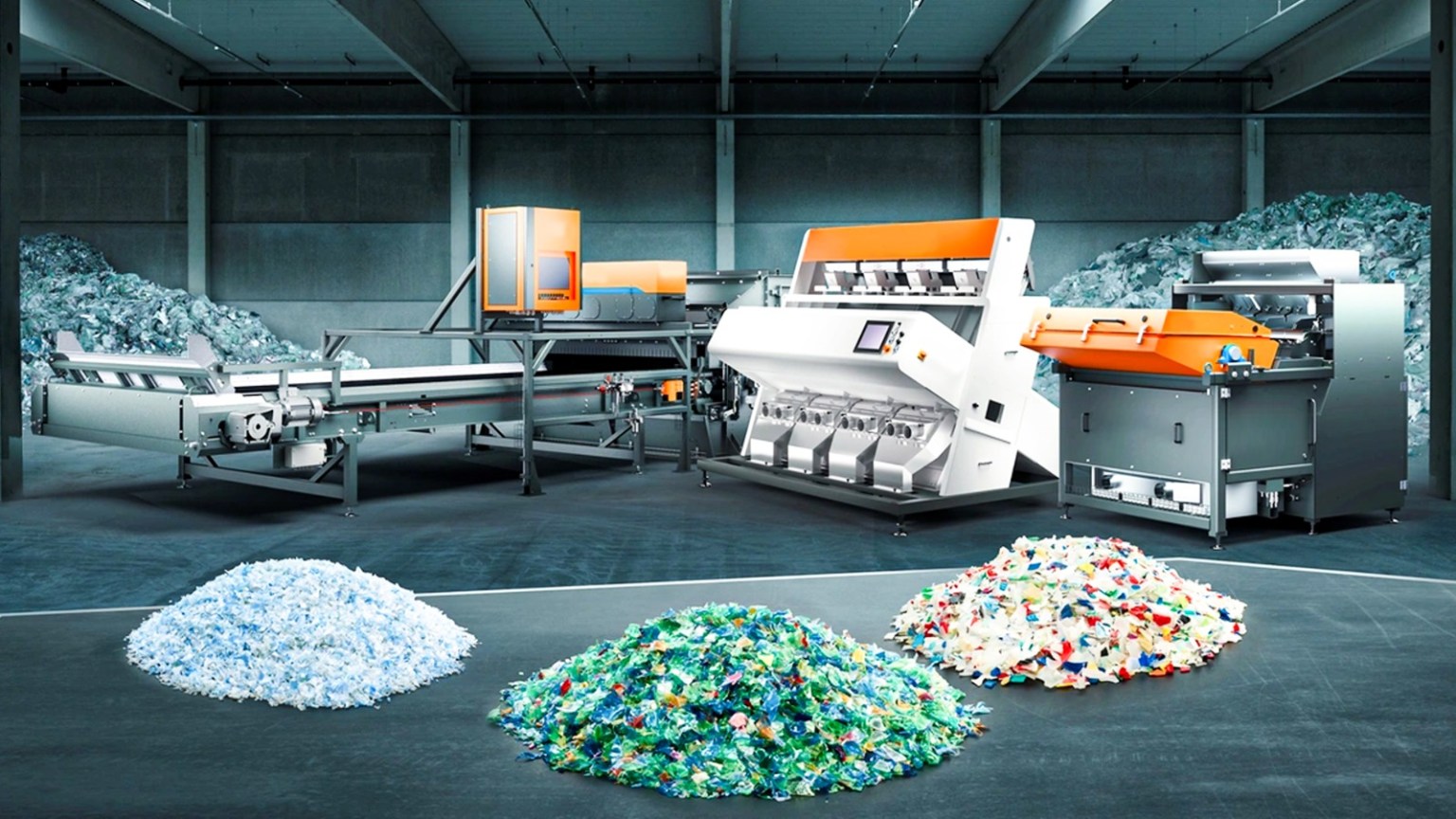
Post-consumer PET bottles are sorted into transparent/uncolored, blue and green, and mixed-color fractions to ensure material consistency.
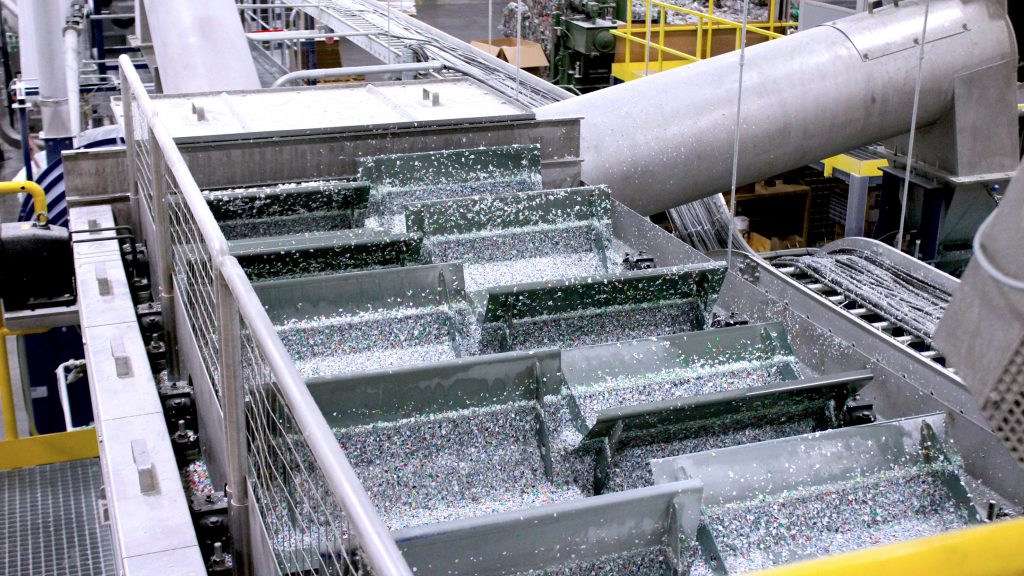
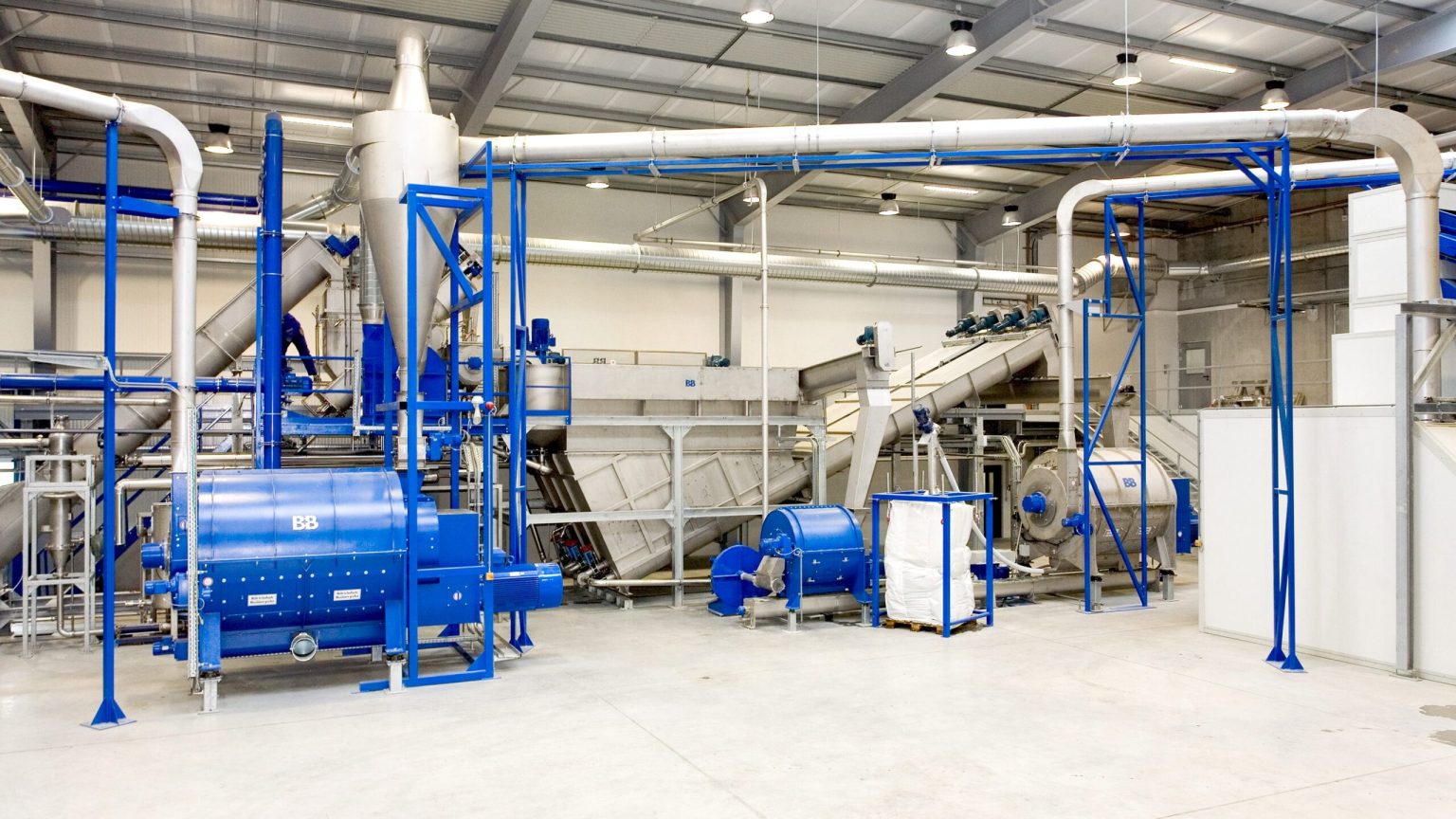
The sorted PET is thoroughly cleaned with water and steam to remove moisture, metal, caps, labels, and other residues. The material is then dried, ensuring it’s clean and ready for the next stages.
The clean PET material is crushed into small pieces, pressed, and ground into rPET flakes of various sizes, prepared for diverse industrial applications.
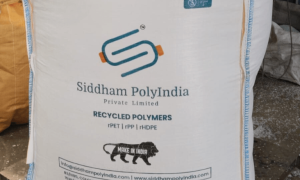
rPET flakes are securely packed into air-sealed batches to maintain quality and prevent moisture contamination. These flakes are then ready to be used in the production of items like polyester fibers, sheets, strapping, and new PET bottles, among others.